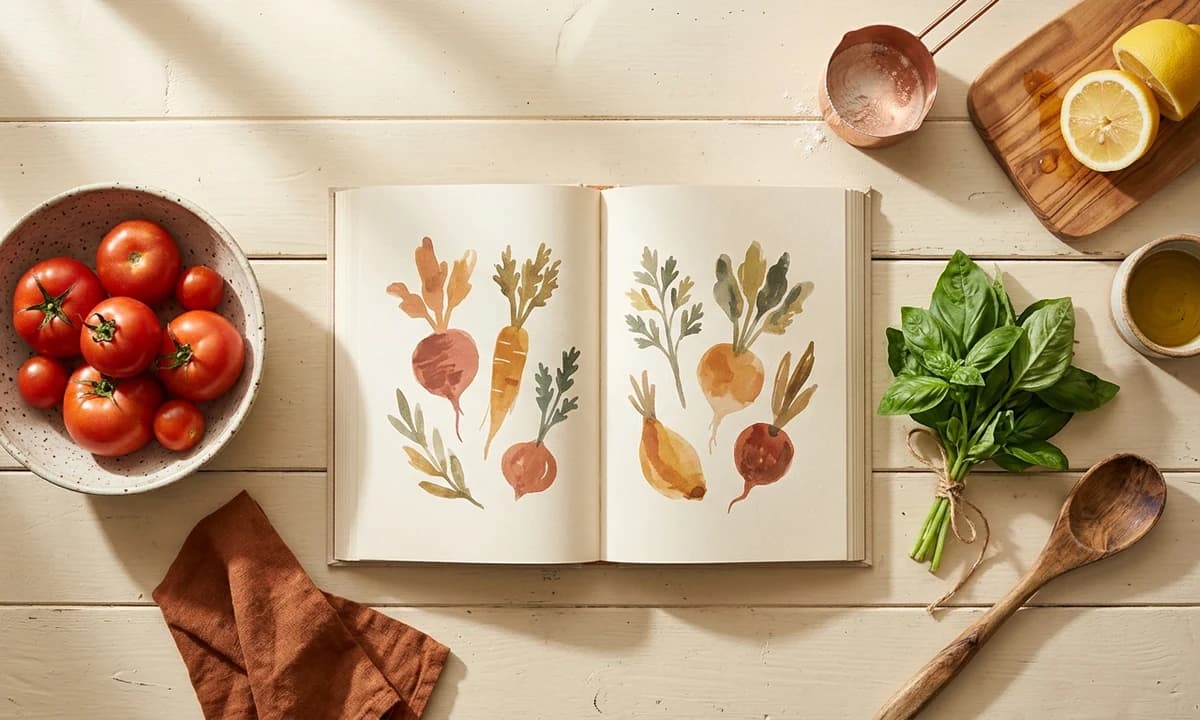

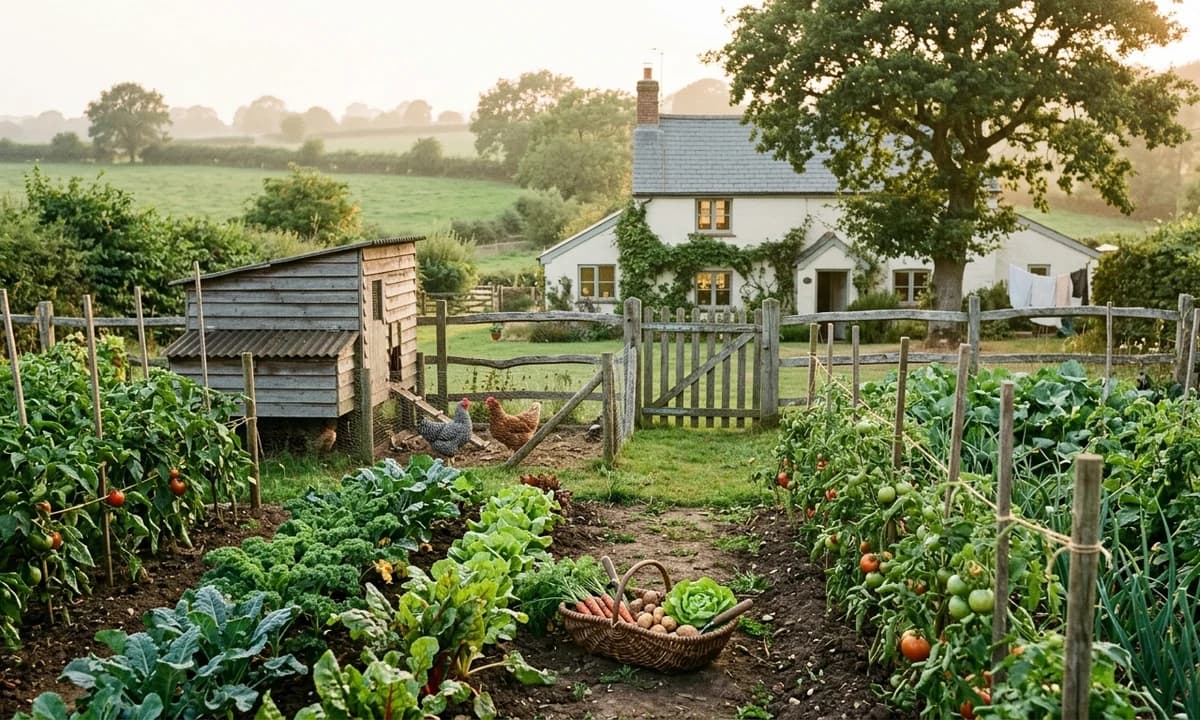
Homesteading and rural living is one of the few non-fiction niches on Amazon KDP where authenticity still beats volume. While the rest of KDP has been carpet-bombed with thin, AI-padded titles, this audience reads slowly, leaves long reviews, and buys two to five books per skill before they ever pick up a trowel. That patience is a moat. Get the voice right, get the photography right, and a 200-page paperback can earn for a decade.
This guide is the working playbook a senior editor at a niche publishing studio would hand to a new author entering homesteading in 2026. Sub-niches with real demand, page counts and price points that pencil out, cover conventions that convert at 100px thumbnail size, and a series strategy that compounds.
Why homesteading still works in 2026
- Stable, growing demand. "Backyard chickens", "fermenting", "herbal medicine" and "off-grid" Amazon search terms have held flat or risen every quarter since 2019.
- Premium price tolerance. Readers pay $14.99-$24.99 for a 200-page paperback. They are buying a skill, not entertainment.
- Authenticity moat. Buyers can tell within three pages whether the writer has actually grown a tomato. Generic AI books do not survive this niche.
- Series compounding. One successful chicken book pulls reader-throughs into ducks, goats, and beekeeping at 30-50% conversion.
- Long shelf life. A well-built homesteading title can earn for 8-10 years with minimal updates. This is the closest thing KDP has to a real annuity.
The homesteading reader, honestly
Most "who is this book for" sections in publishing blogs are fluff. In homesteading the reader segmentation actually changes how you write. There are five distinct buyers and they want different books even when the topic is the same.
- The aspirational dreamer. Lives in a city or suburb. Reads about homesteading the way some people read travel books. Wants inspiration, lifestyle photography, and gentle entry points. Will buy a book on canning and never can a thing. This is a real and profitable segment, do not write them off.
- The new rural owner. Just bought 5-40 acres, panicking. Wants practical, urgent how-to with timelines, costs, and "do not skip this step" warnings. Highest willingness to pay. Will buy four books in one weekend.
- The experienced practitioner. Has been doing it for years. Buys books to fill specific gaps - one species they have never raised, one technique they want to refine. Hostile to beginner content padding. Will leave a one-star review if you waste their time with "what is a chicken".
- The prepper / self-reliance buyer. Overlaps with rural owners but with a different frame: independence, security, fragility of supply chains. Responds to language about "skills you cannot outsource". Will buy aggressively across canning, food storage, off-grid power, and medicine.
- The values-driven sustainability reader. Climate, food systems, ethical animal welfare. Responds to permaculture, regenerative agriculture, and small-scale soil health. Will leave thoughtful reviews and recommend you in their network.
When you write a chicken keeping book aimed at all five of these readers, you write a chicken keeping book aimed at none of them. Pick two adjacent segments per book. Aspirational and new-owner is a workable pair. Practitioner and prepper is another. Aspirational and practitioner is not.
The eleven homesteading sub-niches that actually sell
These are the proven sub-niches with sustained demand, room for new entrants, and clear cover conventions. Listed in rough order of beginner-friendliness.
| Sub-niche | Competition | Pages / Price | Edge angle |
|---|---|---|---|
| Chicken keeping | High but absorbing | 180-220 / $16.99-$19.99 | Cold-climate, urban-ordinance, heritage-only |
| Vegetable gardening | High | 160-200 / $14.99-$19.99 | Region-specific, square-foot, no-dig |
| Canning and preserving | Medium | 180-240 / $16.99-$22.99 | Pressure-only, water-bath-only, recipe-led |
| Fermentation | Low to medium | 140-180 / $14.99-$18.99 | Vegetable-only, dairy kefir, sourdough-and-ferments |
| Foraging | Low | 160-220 / $16.99-$22.99 | Region-specific (Pacific NW, Northeast, UK), urban |
| Beekeeping | Medium | 180-220 / $17.99-$22.99 | First-year, treatment-free, top-bar hives |
| Sheep and goats | Low | 200-260 / $19.99-$24.99 | Dairy goats, small-flock sheep, breed-specific |
| Self-reliance / preparedness | Medium | 200-280 / $17.99-$24.99 | Family-focused, suburban-realistic, skills-only |
| Off-grid living | Medium | 220-300 / $19.99-$26.99 | Cabin builds, solar systems, water systems |
| Herbal medicine | Medium | 200-260 / $18.99-$24.99 | Apothecary-led, beginner-safe, salve-and-tincture |
| Soap and natural products | Low to medium | 140-200 / $14.99-$19.99 | Cold-process, melt-and-pour, recipe-led |
The pattern across every sub-niche is the same: the parent term is crowded, the 4-5 word descendant term is not. "Chicken book" has 8,000 results. "Cold climate chicken keeping for beginners" has fewer than 60 with reviews. Always be writing for the descendant.
For deeper niche selection mechanics, see the KDP niche research system and the non-fiction publishing guide, which both cover the BSR and review-count cutoffs we use to validate a sub-niche before writing a word.
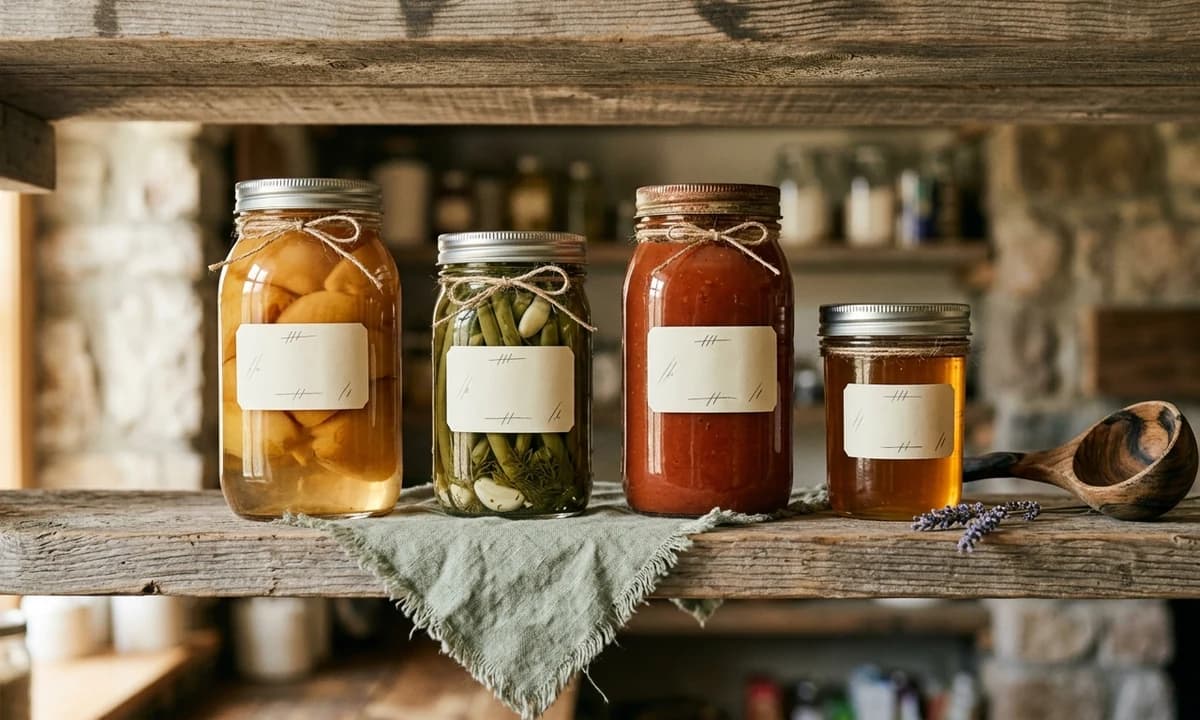
Page count and pricing economics that actually work
The most common mistake in this niche is treating page count as a vanity number. It is a margin lever. KDP\'s printing cost rises roughly $0.012 per page on a 6x9 paperback in black-and-white, plus a fixed cost. The 60% royalty on a $16.99 list price minus print cost on a 200-page book is around $5.80 in your pocket. On a 320-page book at the same $16.99 list price, it drops to around $4.40. Longer is not better. Longer is sometimes worse.
The homesteading pricing matrix
- Focused single-skill guide (140-180 pages): list at $14.99-$16.99. Royalty roughly $5.00-$6.50.
- Standard comprehensive guide (180-220 pages): list at $16.99-$19.99. Royalty roughly $5.80-$7.20.
- Premium multi-topic guide (220-280 pages): list at $19.99-$24.99. Royalty roughly $6.80-$8.40.
- Seasonal workbook or planner (100-130 pages): list at $12.99-$14.99. Royalty roughly $4.00-$5.00. Repurchases yearly.
- Hardcover companion (any of the above): add $8-$12 to list price. Use for top performers only.
Validate your pricing with the KDP royalty calculator before you finalize your trim size. Run the same manuscript through 6x9, 7x10, and 8x10 to see the unit economics. For most homesteading content 6x9 with grayscale interiors gives the best margin per book. Color interiors triple your print cost and most of this audience will accept good grayscale photography.
Cover design conventions for homesteading
This audience has the most calibrated authenticity sense of any non-fiction niche. They have grown up with farm magazines, Mother Earth News, Storey publishing books, Ball canning books, and Joy of Cooking. They know what a "real" homestead cover looks like and they know what a stock-photo fake looks like. Cover design here is the difference between a 0.3% and a 1.5% conversion rate on the Amazon detail page.
Color palette
Warm earth tones only. Cream, oat, butter, soft sage, dusty rose, terracotta, brick, walnut, deep forest, harvest gold. The cover should look like a turn-of-the-century seed catalog or a Storey paperback, not a tech startup landing page. Avoid: pure white, neon green, electric blue, harsh gradients, anything that screams 2010s design.
Typography
Two reliable typography directions. Hand-lettered titles work for cookbooks, herbal medicine, and craft books. A rustic serif (Fraunces, Adelle, Recoleta, Souvenir, Adobe Caslon) works for everything else. Avoid sans-serifs except for the subtitle. Avoid trendy display fonts. The title should feel like it could have been printed in 1985 or 2025 and look right in both.
Subject
One confident hero subject. A single hen, a basket of carrots, a mason jar, a beehive, a pair of hands in soil. Resist the urge to stack three elements. Resist the urge to put a farmhouse in the background of a chicken cover. Thumbnails at 100px wide cannot read complex compositions. Test every cover at the smallest size Amazon serves: if you cannot identify the subject, you have lost.
Cover styles by sub-niche
| Sub-niche | Hero subject | Palette | Title style |
|---|---|---|---|
| Chicken keeping | Single heritage hen, eye level | Cream, harvest gold, soft brown | Rustic serif |
| Vegetable gardening | Wicker basket of produce | Sage, terracotta, cream | Hand-lettered or serif |
| Canning and preserving | Mason jar against shelf | Oat, brick, walnut | Hand-lettered |
| Fermentation | Crock or jar with cabbage | Sage, cream, soft pink | Hand-lettered |
| Foraging | Botanical illustration | Deep forest, cream, gold | Botanical serif |
| Beekeeping | Frame of comb or hive box | Honey gold, cream, walnut | Serif |
| Sheep and goats | Single animal portrait | Oat, soft sage, walnut | Serif |
| Off-grid | Cabin silhouette or solar panel | Deep navy, amber, walnut | Serif (slightly bolder) |
| Herbal medicine | Botanical sprig or apothecary jar | Sage, cream, dusty rose | Botanical serif |
| Soap making | Stack of bars on linen | Cream, soft pink, sage | Hand-lettered |
For the technical cover specs - bleed, spine width, KDP cover template - work through the KDP cover requirements checklist before final export, and use the cover size calculator to dial in spine width once you have a final page count.
Build a homesteading cover that actually feels real
Skip the stock-photo trap. KDPEasy generates warm, earth-toned, print-ready homestead covers in minutes using the conventions that work in this niche.
Start freePhotography: where most homesteading books die
The default move is to grab royalty-free images from Pexels or Unsplash. That is fine for one or two interior shots. It is fatal for the cover. Stock photography of homesteads is overwhelmingly staged: too clean, too coordinated, models in too-pristine flannel. Readers in this niche have seen the same six "rustic kitchen" photos a hundred times. They scroll past.
Three working approaches in order of quality:
- Your own phone camera, in golden hour. If you have any access to a real garden, coop, or kitchen, a modern smartphone in soft side light at 7 am or 5 pm beats every stock photo. Hold the phone low, get one subject in frame, no clutter. This is what bestselling homestead authors actually do.
- A small paid photographer for one shoot. $300-$600 for half a day at a local farm, with rights to use the images across a six-book series, is the highest-leverage spend in this niche. You get one cohesive visual library that no competitor has.
- AI photography, heavily graded. Acceptable for interior chapter openers, never for the cover. If you use it, generate with a tool that does photography (Midjourney v6.1+ with photographic prompts, or Flux), then push the contrast down and add a film grain pass so it does not read as "AI rendered". Anything that looks like a digital painting is wrong for this niche.
Content architecture that this audience expects
Open any best-selling Storey paperback or Ball canning book and the structure is roughly identical because it works. Use it.
Proven homesteading book outline
- Honest introduction. Why this skill, who this is for, what it will and will not give you. Three pages, not thirty.
- Getting started. Equipment, space, budget, realistic time commitment. Include actual dollar costs.
- Core technique chapters (6-10). Each chapter ends with a "things that go wrong" sidebar.
- The seasonal calendar. What to do in January, what to do in July. Month by month or season by season.
- Troubleshooting matrix. Symptom to likely cause to fix. This is the page readers screenshot and share.
- Quick reference appendix. Charts, checklists, cheat sheets. The reason they keep the book on the shelf.
- Resources. Real, current, named. Extension office links, breed associations, supplier lists.
The single most under-rated section is the troubleshooting matrix. New homesteaders panic. They Google. If your book\'s troubleshooting page is genuinely useful, it is the reason they tell a friend and the reason they buy your next book.
Series strategy: by skill or by season
Two viable series architectures. Both work. Picking one and committing to it for six books matters more than which one you pick.
The skill-based series
Each book covers one skill in depth. Chicken keeping. Then duck keeping. Then beekeeping. Then goats. Then sheep. Then rabbits. The reader buys whichever animal they are about to acquire and you build a six-book backlist where each title supports the others.
- Book 1: Backyard Chickens for Beginners
- Book 2: Raising Ducks at Home
- Book 3: Beekeeping for the First Year
- Book 4: Dairy Goats on a Small Property
- Book 5: Small Flock Sheep Keeping
- Book 6: Backyard Rabbits for Meat and Fiber
- Bundle: The Complete Small Livestock Library
The seasonal series
Each book covers one season across multiple skills. Spring homestead, summer homestead, autumn homestead, winter homestead. Then a planner companion for each. Reader buys the seasonal book in the month they need it. This works particularly well for gardening and food preservation.
- Book 1: The Spring Homestead
- Book 2: The Summer Homestead
- Book 3: The Autumn Homestead
- Book 4: The Winter Homestead
- Companion: The Year-Round Homestead Planner (workbook)
For cover cohesion across a six-book series, lock the typography and palette on book one and never deviate. See the book series cover design playbook for the specific anchor elements that signal "same series" at thumbnail size.
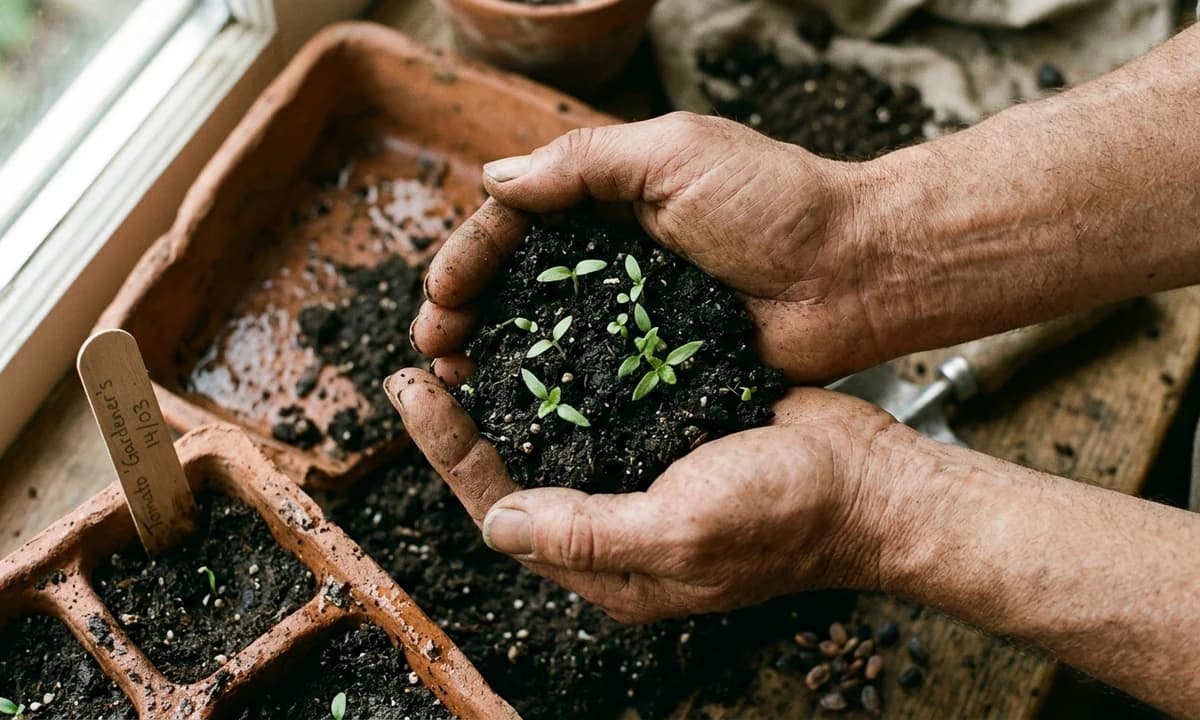
Marketing this audience specifically
Homesteading marketing is unusual. Paid Amazon ads under-perform in this niche compared to fiction or general non-fiction because the audience does not browse Amazon for inspiration. They search for a specific skill, compare three to five books, read negative reviews, and decide. Your job is to be one of those three to five books.
Keyword strategy
Optimize for specificity. "Homesteading" as a primary keyword is a losing game. Layered, descriptor-heavy keywords win.
- Skill + audience descriptor: "backyard chickens for beginners", "canning for new gardeners", "fermenting vegetables for first-timers"
- Skill + region: "Pacific Northwest foraging", "Southern garden month by month", "cold climate beekeeping"
- Skill + outcome: "self-sufficient herb garden", "food independence pantry", "off-grid power for a small cabin"
- Skill + scale: "small flock chickens", "urban backyard homestead", "5-acre starter farm"
See the KDP keyword research guide for the seven-slot fill methodology and how to pick the two backend keyword brackets that move the needle. Run candidate phrases through the backend keyword guide before publishing.
Community channels
Homesteading readers cluster in identifiable communities. The marketing playbook is to show up usefully in those communities for six months before mentioning your book once.
- BackyardChickens.com, Permies.com, HomesteadingForum.com - long-form, slow, but the contributors are exactly your reader. Answer questions, do not pitch.
- YouTube homestead creators with under 50k subscribers - small enough to respond to a real outreach email about a guest appearance or review copy.
- Instagram and Substack homestead writers - exchange newsletter mentions for review copies. Substack is currently more reliable than Instagram for this audience.
- Reddit r/homestead, r/preppers, r/canning - useful for direct answers and AMA-style promotion once you have authority.
- Local farmers markets and feed stores - physical copies on consignment at farm supply stores in rural counties is unglamorous but converts.
The 90-day publishing plan
Concrete plan for someone starting from zero in this niche today.
- Days 1-7: Pick a single 4-5 word sub-niche descendant. Validate it with Amazon search and BSR analysis. Confirm fewer than 200 reviews on the top results.
- Days 8-14: Buy and read the top five books in your sub-niche with a notepad. Identify what they all cover, what they all skip, and what they all do badly.
- Days 15-30: Outline 8-10 core chapters. Draft the seasonal calendar and troubleshooting matrix first. These are the spine of the book and force you to know your topic.
- Days 31-60: Draft. 1,500-2,000 words per day gets you to 200 pages in five to six weeks.
- Days 61-75: Edit. Run a fact-check pass against authoritative sources for every safety-relevant number. Have a subject-matter practitioner read the manuscript for tone.
- Days 76-83: Cover design, interior formatting, photography. Run the cover at 100px thumbnail size and gut-check it against the top five in your category.
- Days 84-90: Upload, set keywords using the seven-slot strategy, write the description with the formula from the book descriptions guide, launch with a small ad budget and a 30-day reader-engagement plan.
Quality standards specific to homesteading
- Canning processing times must match the USDA Complete Guide to Home Canning. If you invent times, you can hurt readers.
- Herbal medicine must include the "consult a licensed practitioner" disclaimer. Never give dosage for serious conditions.
- Livestock advice should mirror established extension office guidance. Cite breed associations where relevant.
- Foraging must include positive ID warnings and toxic look-alike sections. A single misidentified amanita is a lawsuit.
- Solar and electrical content needs a "consult a licensed electrician for permanent installation" line. Be conservative on amperage and battery specs.
Final read
Homesteading on KDP rewards patience and authenticity in a way most niches no longer do. A 200-page paperback in a tight sub-niche with a real cover, real photography, and a defensible voice can earn $400-$1,200 a month for years. Build a six-book skill series and you have a small business. None of this requires you to actually move to the country. It requires that you respect the reader who already lives there enough to write a book that does not waste their time.
Pick your sub-niche this week. Read five competitor books next week. Write the troubleshooting matrix in week three. Most authors give up before that troubleshooting matrix and the ones who finish it are the ones whose books still sell in 2034.
Design a homesteading cover that feels lived-in
Warm palette, rustic serif, single confident subject. KDPEasy is built around the cover conventions that actually convert in this niche.
Create your coverA FEW MORE ANSWERS
Frequently asked questions
No, but you do have to be honest about it. The most defensible position is "compiler and curator": you research six to ten authoritative sources per chapter, interview two to three real practitioners on the phone, and write in a clear voice. The dangerous position is writing as if you have a 5-acre property when you do not. Homestead readers notice tone mismatches inside three pages and the negative reviews will bury the book.

ABOUT THE AUTHOR
Danielle Okonkwo
Marketing & Growth Lead at KDPEasy. Danielle is a published author with 12+ titles on Amazon KDP and a former book blogger. She draws on hands-on publishing experience and years of testing what works in the KDP marketplace.
Meet Danielle