
Instagram is the supporting marketing channel most self-published authors should run alongside Amazon Ads and email, and the one most authors run worst. This guide is a practical Bookstagram playbook: the four content pillars that actually convert, the Reels vs static math, the hashtag strategy that still works in 2026, the link-in-bio funnel that earns the click to Amazon, and the cadence that prevents the 60 day burnout that ends most author Instagram accounts.
Where Instagram fits in the marketing stack
Instagram works best as a layer 2 channel for authors after AMS and email are running. If you have not set up AMS yet, start with the Amazon Ads strategy guide. If you do not have an email list yet, see the email section of digital marketing for self-published authors. Instagram amplifies what is already working. It does not fix what is broken upstream.
Why Most Author Instagram Accounts Stall
The standard Instagram failure pattern for self-published authors looks identical across genres. Month 1: enthusiasm, daily posting, custom graphics, three Reels. Month 2: still posting but less daily. Month 3: posting every few days. Month 4: a long apology caption about being absent. Month 6: the account is dormant. Month 9: the author concludes Instagram does not work for books.
Instagram is not the problem. The cadence is. Most authors try to run Instagram like a daily creative practice when Instagram rewards a different pattern: consistent batch production, daily presence through stories and engagement, and a 9 plus month commitment before the algorithm and your audience converge into actual book sales.
The playbook below is built for sustainability over 12 plus months. It will feel slower than what you see other accounts do. That is the point.
Bookstagram Community Dynamics in 2026
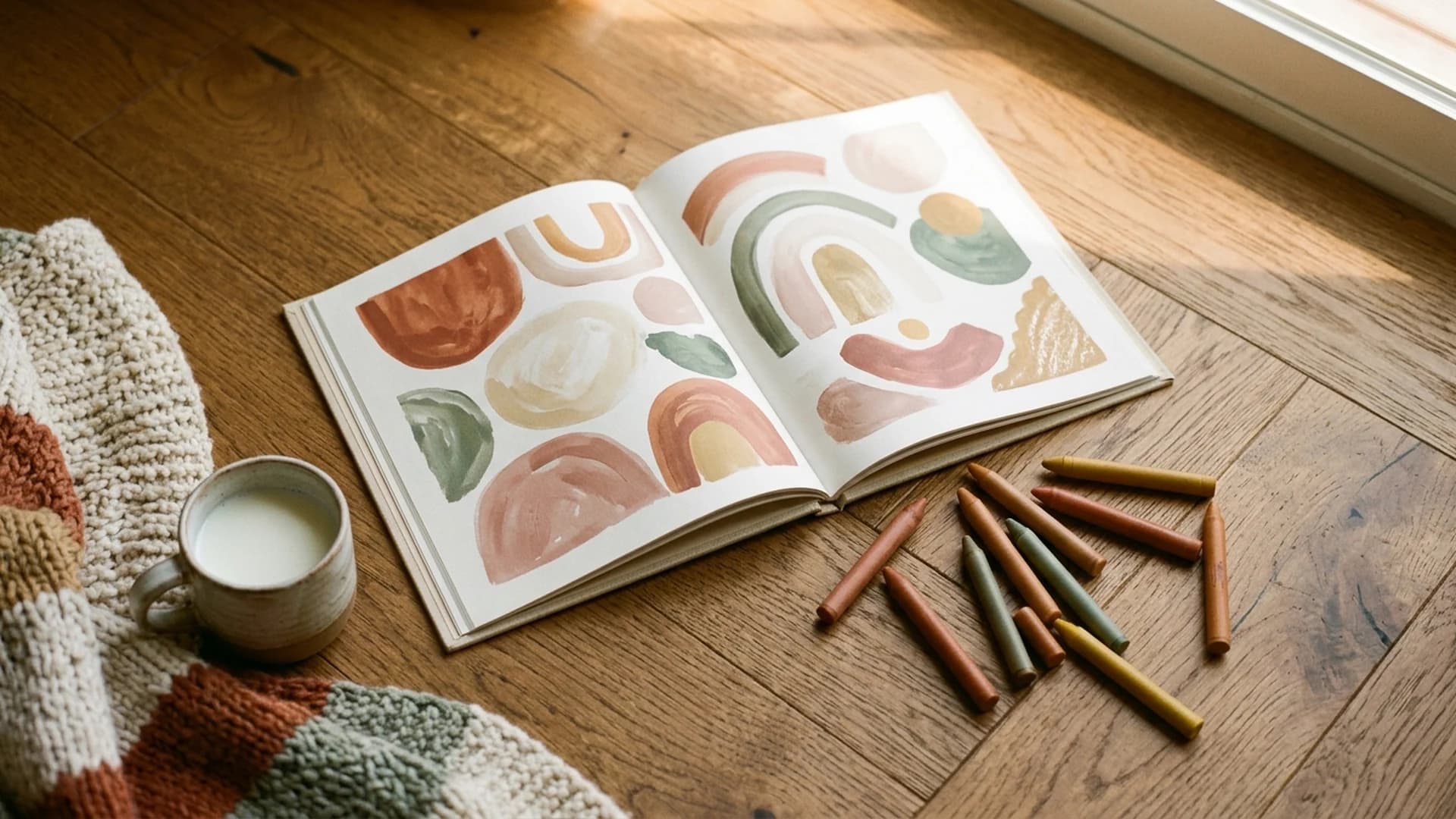
Bookstagram is the reader-driven side of Instagram: aesthetic flat lays, reviews, mood boards, "currently reading" stories, and reader-created content tagged with #bookstagram, #booklover, and a thousand genre subhashtags. It is its own subculture with norms, etiquette, and a distinct visual vocabulary.
Authors who succeed on Instagram understand Bookstagram is adjacent to their account, not the same thing. A reader who runs a Bookstagram account is photographing other people's books with no commercial stake. An author photographing their own book is marketing. Readers can tell the difference. Trying to fully imitate Bookstagram aesthetics often backfires because the styling feels performative when the photographer also wrote the book.
What Bookstagram Rewards
- Aesthetic consistency. Color palettes, lighting, and staging that look like they belong on the same shelf.
- Genre cues. Romance flat lays look different from horror flat lays. Lean into your genre's visual codes.
- Generosity. Accounts that highlight other authors' books outperform accounts that only promote their own.
- Honesty about the writing life. Real desks, real coffee, real frustrations. The over-produced aesthetic is dating quickly in 2026.
How an Author Account Should Sit Within Bookstagram
- Adopt the visual vocabulary of your genre but lead with author content.
- Participate in Bookstagram tags and weekly themes (#fridayreads, #bookstagrammonday) selectively.
- Engage with mid-tier Bookstagrammers (5,000 to 50,000 followers) in your genre. They convert reader audiences far better than mega-accounts.
- Send free copies to Bookstagrammers who already post in your genre. The conversion of free ARC to organic post is typically 30 to 50 percent.
The Four Content Pillars That Actually Convert
Without pillars, your Instagram account is a stream of unrelated posts and the algorithm has no idea who to show it to. Pillars are the four categories every post falls into. The exact mix depends on your genre, but the four pillars below cover most fiction and creative non-fiction authors.
Pillar 1: Cover Reveals and Book Content (30 to 40 percent of posts)
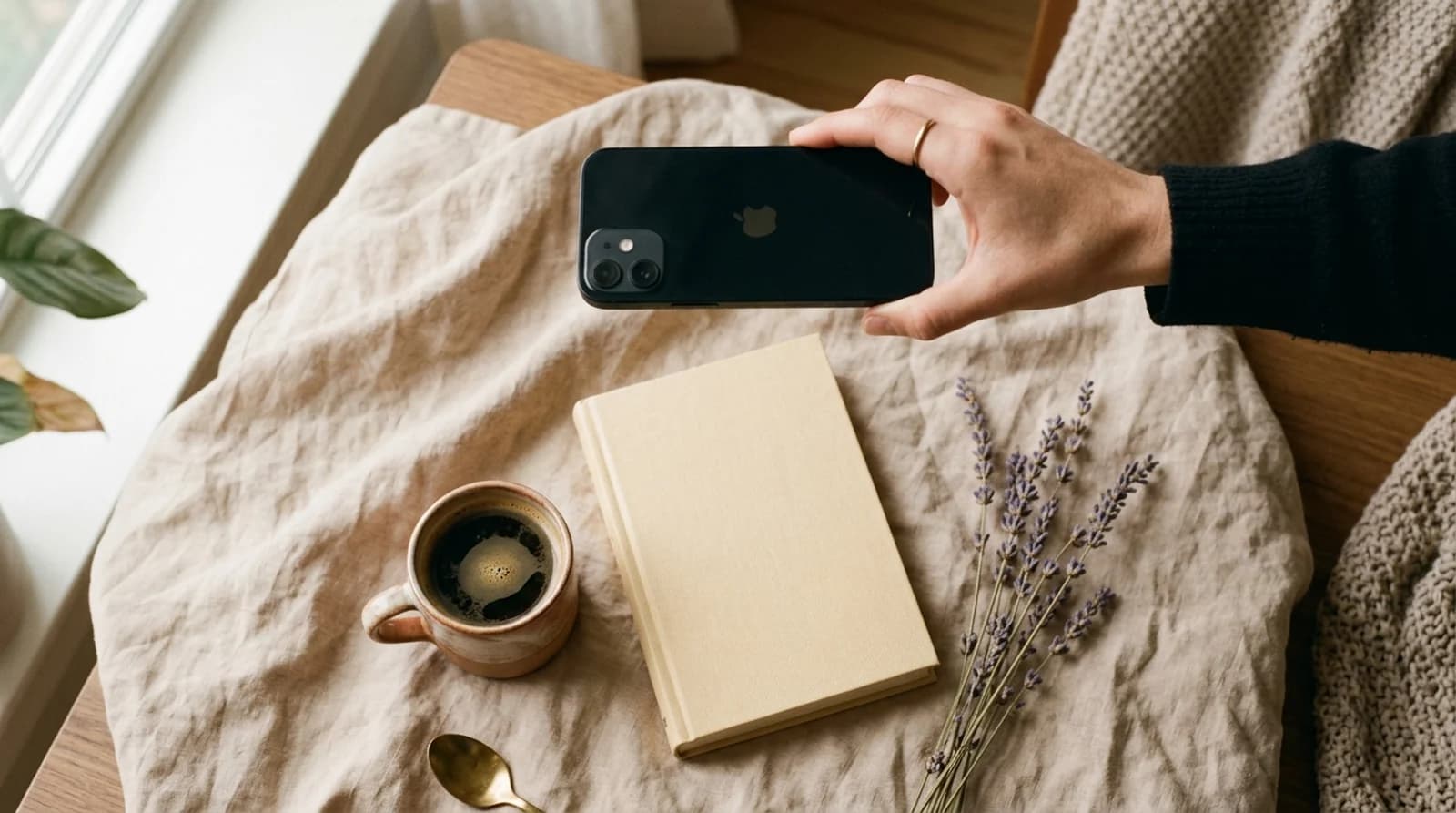
Cover-driven content is the most direct selling content but only if you treat each cover as an event, not a wallpaper. Cover reveals work as Reels with a slow build, carousels with progress screenshots, or static posts with cover-mockup-in-context photography.
- Cover reveal Reels with trending audio and a slow tease.
- Series collection carousels showing all titles together.
- Cover mockup in context (book on a bed, in a coffee shop, by a lamp).
- Pre-order announcement with a clear call to "link in bio."
- Cover variant polls in stories (which cover do you prefer, two options).
If your covers are not pulling weight visually, no Instagram playbook will fix it. The cover is the foundation. For a refresh, see how to create the perfect KDP cover or generate variants in 5 minutes through the KDPEasy cover wizard.
Pillar 2: Behind-the-Scenes Writing (25 to 30 percent of posts)
This is the pillar most authors underweight and the pillar readers actually want. Readers follow authors to feel close to the writing process. Show the messy desk, the third draft, the rejected scene, the moment you finally figured out the chapter that was stuck for two weeks.
- Desk shots with a draft in progress (cover the screen for spoilers).
- Word count Reels with text overlay showing daily progress.
- Notebook scribbles, plotting boards, character timeline shots.
- "Where I write" content: cafes, libraries, the kitchen table at 6 a.m.
- Research process content (especially strong for historical fiction and non-fiction).
This pillar is high-engagement and low-effort to produce because the raw material is your actual workspace. Take 5 photos a week of where you are working and you will never run out of behind-the-scenes content.
Pillar 3: Book Quotes and Character Content (20 to 25 percent of posts)
Quote graphics are shareable and saveable, which the algorithm loves. Pick 2 to 3 strong lines from your book that work standalone, design them once in a consistent visual style, and rotate them quarterly. Character content (aesthetic boards, dream casting, fun facts) deepens reader connection with the book and works especially well for series.
- Single-quote static posts with consistent typography.
- Dialogue snippets formatted as text exchange screenshots.
- Character aesthetic boards (carousel format).
- "If [character] had a Pinterest board" content.
- Character relationship dynamic content ("the moment [character A] realized [character B] was lying").
Pillar 4: Lifestyle Alignment With Your Genre (10 to 20 percent of posts)
Lifestyle pillar is the layer that turns your account from "an author selling books" into "a person living in a world readers want to be part of." For cozy mystery: warm interiors, cats, tea. For dark romance: moody lighting, vintage typewriters, candle aesthetic. For thrillers: noir cityscapes, raincoats, late-night cafes. For non-fiction homesteading: garden shots, food preservation, field tools.
- Genre-aligned aesthetic photography (your real life, framed for genre fit).
- Seasonal content tied to your genre (autumn for cozy mystery, summer for beach romance, winter for fantasy).
- "What I am reading" posts of other authors in your genre.
- Reader question answers ("what is your writing playlist," "favorite snack while drafting").
Reels vs Static vs Stories: The Format Math
Format selection is not aesthetic preference. It is reach and conversion math. Each format does a different job in the funnel.

Reels: The Reach Engine
Reels reach roughly 2 to 5x more non-followers than static posts in 2026. They are the discovery vector. Without Reels, follower growth stalls.
- Length: 7 to 15 seconds performs best for book content. 30 to 60 seconds for behind-the-scenes process. Above 60 seconds, drop-off becomes severe.
- First 1 to 2 seconds: The hook decides everything. A bold visual, a question on screen, a sudden action. Talking head openings die fast.
- Trending audio: Check the Reels tab for tracks with the upward arrow. Trending audio gives a measurable reach boost.
- Captions on video: 70 to 80 percent of viewers watch on mute. Add text overlay even when there is dialogue.
- 3 to 5 hashtags in caption: Less is more for Reels.
- Posting time: 6 to 9 p.m. local time for most audiences, but check your insights for your specific account.
Static Carousels: The Conversion Engine
Carousels are the format that converts existing followers into Amazon clicks because viewers slow down, swipe, and read. Tightly designed carousels of 5 to 10 slides outperform single-image static for engagement, saves, and link clicks.
- Slide 1: Strong hook with clear value promise. "5 quotes that will haunt you from [book]" beats "Out now: [book]."
- Slides 2 to 8: The promised content, one idea per slide.
- Slide 9 or 10: Soft CTA with "link in bio."
- Save-driven design: Make slides useful enough that readers want to save the post.
Single-Image Static: The Aesthetic Layer
Single-image posts are the aesthetic glue between Reels and carousels. Cover-mockup shots, quote graphics, and behind-the-scenes flat lays all work as single images. Engagement is lower than Reels and carousels, but they keep the visual grid consistent and signal genre at first glance to profile visitors.
Stories: The Daily Presence Layer
Stories are how you stay visible between posts. Three to five frames a day, focused on personality, quick updates, and engagement features (polls, questions, sliders). Stories also drive the link-in-bio funnel hardest because the swipe-up to link is one tap, not three.
- Daily desk shots with a quick caption.
- Poll: "Which cover do you prefer?"
- Question stickers: "Ask me anything about [book]."
- Countdown stickers for launch dates.
- Reader review reshares with a tag.
- "Link in bio" reminder once or twice per week.
Cover variants for Instagram polls
Quick A/B variants of your cover give you genuinely shareable Instagram poll content. KDPEasy generates print-ready cover variants in under 5 minutes. Free plan available.
Generate cover variantsHashtag Strategy That Still Works in 2026
Hashtags are not what they were in 2019. Instagram has explicitly recommended 3 to 5 hashtags per post since 2022, but engagement data still shows the 5 to 10 range outperforms. The shift is from quantity to relevance.
The 5 to 10 Hashtag Mix
- 2 to 3 large hashtags (1 million plus posts): #bookstagram, #booklover, #bookworm, #booksofinstagram. These provide reach surface area but high competition.
- 3 to 4 medium hashtags (100K to 1M posts): #fantasybooks, #cozymystery, #indieauthor, #selfpublished, #writersofinstagram. The relevance layer.
- 2 to 3 niche hashtags (under 100K posts): #cozymysterybook, #lgbtfantasy, #darkacademiaromance, plus trope-specific tags like #enemiestolovers, #foundfamily, #slowburnromance. The discoverability layer for engaged readers.
Hashtag Categories to Mix
- Broad book hashtags: #bookstagram, #booklover, #amreading.
- Genre-specific: #fantasybooks, #romancereaders, #thrillerbookstagram.
- Author identity: #indieauthor, #selfpublished, #writersofinstagram.
- Trope hashtags: #enemiestolovers, #foundfamily, #slowburn, #morally grey.
- Content-specific: #bookreview, #currentlyreading, #bookquotes.
Hashtag Mistakes That Hurt Reach
- Using 25 to 30 hashtags. The algorithm now reads this as spam.
- Always using the same hashtag set on every post. Rotate within categories.
- Using banned or shadow-banned hashtags. Check tags occasionally - some genre-specific ones get banned without notice.
- Hashtag-stuffing in the first comment. The 2018 trick is now downweighted.
The Link-in-Bio Funnel to Amazon
Instagram does not allow clickable links in posts, only in bio and (for accounts above 10K followers, or any business account) in stories. The entire commercial value of Instagram for authors flows through the bio link, which means the bio link page is the highest leverage URL in your entire marketing stack.
Link-in-Bio Tool Options
- Linktree (free or $5+/mo): The default. Clean, fast, mobile-optimized. Free tier works for most authors.
- Stan Store ($29/mo): Stronger for selling digital products and email captures. Worth it once you sell directly off platform.
- Beacons (free or $10/mo): Aesthetic flexibility. Strong middle ground.
- Your own author website page: Full control, slower to update. Best if you already maintain an author site.
The Link-in-Bio Page Structure
Visitors lose 30 to 60 percent at every step in the conversion path. The link-in-bio page must be ruthlessly clear. The order that works:
- Latest release or pre-order at the top, with cover image and one-line hook.
- Free reader magnet with email capture. This is the long-term highest ROI link.
- Your full book catalog, one tile per book, ordered by series or by recency.
- Reader newsletter standalone link.
- About / contact at the bottom.
What Not to Do
- Do not list 15 plus links. Three to seven is the sweet spot.
- Do not link to your homepage as the top option. Send visitors directly to the latest book or magnet.
- Do not skip mobile optimization. 95 plus percent of visitors will be on mobile.
Story Highlights as Evergreen Catalog
Story Highlights are the most underused tool in author Instagram. They are permanent. They sit directly under your bio. New profile visitors decide whether to follow you in 5 to 10 seconds, and Highlights are what they look at after your bio and grid. Treat them as a curated landing experience.
Minimum Highlight Set
- "My Books" - one highlight per book or per series, with cover, brief description, and a "link in bio" reminder per frame.
- "Reviews" - rotating reshared reader reviews and any press mentions.
- "Process" - your writing routine, desk, workflow content.
- "About" - extended author bio frames.
- "FAQ" - the 5 to 8 questions readers actually ask, answered in story frames.
Optional Highlights for Specific Genres
- "Aesthetic" for romance and fantasy authors - mood boards by book.
- "Series" for authors writing connected universes - reading order and overview.
- "Events" for authors who do signings, conventions, or readings.
- "Recommendations" for authors who actively boost other writers in their genre.
Highlight Maintenance
Update Highlights monthly. Add new reviews, add launch content, rotate older frames out. A stagnant Highlights bar signals an abandoned account. A fresh Highlights bar signals an active author worth following.
Posting Cadence: 3 to 5 Posts a Week Minimum
Three to five posts per week is the floor where the algorithm starts treating your account as active. Below three posts per week, reach decays fast and growth stalls. Above seven posts per week (unless you have a content team), burnout arrives inside 60 days.
The Weekly Cadence That Lasts
- Monday: Reel - behind-the-scenes or quote-driven, leading the week.
- Wednesday: Carousel - more substantive (character intro, book reveal, list-style).
- Friday: Reel - higher-energy content tied to weekend reading mood.
- Saturday: Single static post - aesthetic, low-pressure, often a book mockup or quote.
- Stories: 3 to 5 frames daily, 7 days a week.
This is 4 grid posts and 25 to 35 story frames per week. Achievable in a single 3 hour batch session with daily 15 to 20 minute story plus engagement blocks.
The Batch Production Pattern
- Day 1 of every 14 day cycle (3 hour block): Plan 8 posts (4 per week x 2 weeks). Shoot or design all 8. Write captions. Schedule.
- Daily (15 to 20 minutes): Post 3 to 5 stories. Respond to comments on yesterday's post. Comment meaningfully on 10 to 15 posts from readers and peers.
- Saturday (30 minutes): Review insights. What worked, what flopped. Adjust the next batch.
Total weekly time investment: roughly 3 to 5 hours including the batch session split across two weeks. This is the cadence that runs for years.
Common Content Burnout Traps
Burnout on Instagram is not a willpower problem. It is a structural problem. The patterns below are what kill author accounts inside the first 90 days.
1. Daily Original Content
Trying to post original creative content every single day. The math does not work for solo authors. Switch to batch production with daily engagement only.
2. Algorithm Anxiety
Checking insights three times a day, comparing every post's reach to the last one, agonizing over the algorithm. Reach varies wildly for reasons you cannot control. Look at insights once a week on Saturday, look at a 28 day moving average, and ignore the daily noise.
3. The Aesthetic Trap
Spending two hours on a single static post to maintain a flawless grid. The grid matters at first glance to new visitors, but not enough to justify two hours per post. Five minutes of "good enough" beats two hours of "perfect."
4. Comparison Spiral
Watching another author's account grow faster and concluding yours is failing. Their account had different inputs: genre fit, posting consistency at a different point, paid promo, or a year of head start. Track your own metrics, not theirs.
5. Pivot Fatigue
Trying a "new strategy" every month. Three Reels strategies, two posting cadences, four content pillar lineups in a single quarter. Pick a strategy, run it for 90 days minimum, then evaluate.
6. The Launch-Only Account
Going dormant between launches and trying to reanimate the account two weeks before a new release. Followers tune out. The algorithm has already deprioritized the account. Consistent presence between launches is what makes launches actually work.
The 10 Week Instagram Book Launch Campaign
A launch on Instagram is not a single announcement post. It is a 10 week campaign that compounds momentum into launch week.
Weeks 10 to 8: Setup
- Cover is finalized and approved.
- Cover reveal Reel is shot and scheduled.
- 3 to 5 quote graphics designed in the book's visual language.
- Pre-order link is live.
- "My Books" highlight is updated.
Weeks 8 to 6: Teaser Phase
- Mood board posts hinting at the genre and tone.
- "What I'm working on next" stories.
- Vague visual hints in flat lays (a key prop, a setting cue).
- No cover, no title yet. Build curiosity.
Weeks 6 to 4: Cover Reveal
- Cover reveal Reel as the main event.
- Blurb shared in carousel format.
- Pre-order opens with exclusive bonus (deleted scene, character art, etc.).
- Bookstagrammer outreach for ARC distribution begins.
Weeks 4 to 2: Character and Story Intros
- Character aesthetic carousels.
- Excerpt reveals as static posts and stories.
- Trope content ("if you love X, you will love this").
- Countdown sticker in stories.
Launch Week (Week 0)
- Launch-day Reel announcing the book is live.
- Go Live for a launch celebration (even 15 minutes works).
- Daily stories: each reader review reshared, each Bookstagram tag highlighted.
- Pinned post on the grid with launch info.
Weeks 1 to 4 Post-Launch
- Reader photo reposts.
- "Behind the writing" Reels going deeper into process now that book is out.
- Reader Q&A live.
- Begin teasing whatever is next. The next book is what makes this book continue to sell.
Launch covers ready in minutes, not weeks
A book launch campaign starts with a cover that earns the scroll. KDPEasy generates print-ready KDP covers in under 5 minutes so your launch can stay on schedule. Free plan available.
Try the cover wizardAuthor Influencer Partnerships
Partnership strategy on Instagram for authors splits into two paths: paid Bookstagrammer placements, and free ARC distribution to mid-tier accounts. The latter outperforms the former in almost every measurable way.
The Free ARC Distribution Pattern
- Identify 30 to 60 Bookstagrammers in your genre with 5,000 to 50,000 followers.
- DM each with a personalized message offering an ARC copy. Mention something specific from their feed.
- Use BookFunnel or Story Origin to deliver the free copy.
- Expect 30 to 50 percent to actually post about the book if they enjoy it.
- Total cost: free except your time. Reach: significantly larger than any paid post.
Paid Bookstagrammer Placements
- Cost: $50 to $300 per post or Reel for mid-tier accounts. $500 to $5,000+ for mega-accounts.
- ROI is highly variable. The post may flop or take off, with little control.
- Best used as launch reinforcement after free ARC distribution has seeded organic posts.
Author-to-Author Partnerships
- Joint giveaways with authors in adjacent niches: pool 3 to 5 authors and run a one-week giveaway across all accounts.
- Author takeovers: spend a day on another author's Stories, they take over yours another day.
- Newsletter swaps: feature each other's reader magnets in your newsletters (this is more email than Instagram but pairs naturally).
Measuring What Matters
Vanity metrics (followers, likes) are weak proxies for what matters (book sales, email signups). Track these instead:
- Save rate (saves / reach): High saves indicate valuable content that readers want to revisit. Aim for above 1.5 percent.
- Profile visits per post: Are posts driving people to your profile? This is the leading indicator of new followers.
- Link clicks from bio: Track in Linktree or your equivalent. The actual commercial throughput of the account.
- Story exit rate per frame: Where do viewers drop off in your stories? Fix the boring frames.
- Email signups attributed to Instagram: Tag your link-in-bio with UTM parameters and watch which posts and stories drive signups.
- Reels reach to non-followers: The growth signal. If this is below 50 percent of your follower count, the algorithm is throttling your account.
Putting It All Together
Run Instagram as a supporting channel, not a primary one. Build four content pillars and commit to a 50/30/20 Reels-carousel-static mix with daily stories. Use 5 to 10 hashtags. Maintain Highlights as your evergreen catalog. Drive every meaningful action through a clean link-in-bio page. Batch produce in 3 hour sessions. Engage daily in 15 to 20 minute blocks. Commit for 9 plus months before evaluating.
And accept the channel hierarchy. Instagram is for retention, audience deepening, and launch leverage. AMS and email are for acquisition and recurring revenue. Treat each one for what it actually is and the whole system compounds.
For the channel that does drive most acquisition, see the Amazon Ads KDP strategy guide. For the production cadence that feeds your launch campaigns, see the daily KDP publishing routine. For the full channel breakdown across digital marketing, see digital marketing for self-published authors.
A FEW MORE ANSWERS
Frequently asked questions
Yes for fiction authors in visually-friendly genres (romance, fantasy, thriller, YA, literary fiction) and selective non-fiction (memoir, lifestyle, food, design). Instagram drives roughly 10 to 20 percent of marketing-attributable sales for active accounts after 9 plus months of consistent posting. Not a primary channel. A strong supporting channel. If your genre is not visually expressive (most low-content and most technical non-fiction), Instagram is lower priority than YouTube or AMS.

ABOUT THE AUTHOR
Danielle Okonkwo
Marketing & Growth Lead at KDPEasy. Danielle is a published author with 12+ titles on Amazon KDP and a former book blogger. She draws on hands-on publishing experience and years of testing what works in the KDP marketplace.
Meet Danielle