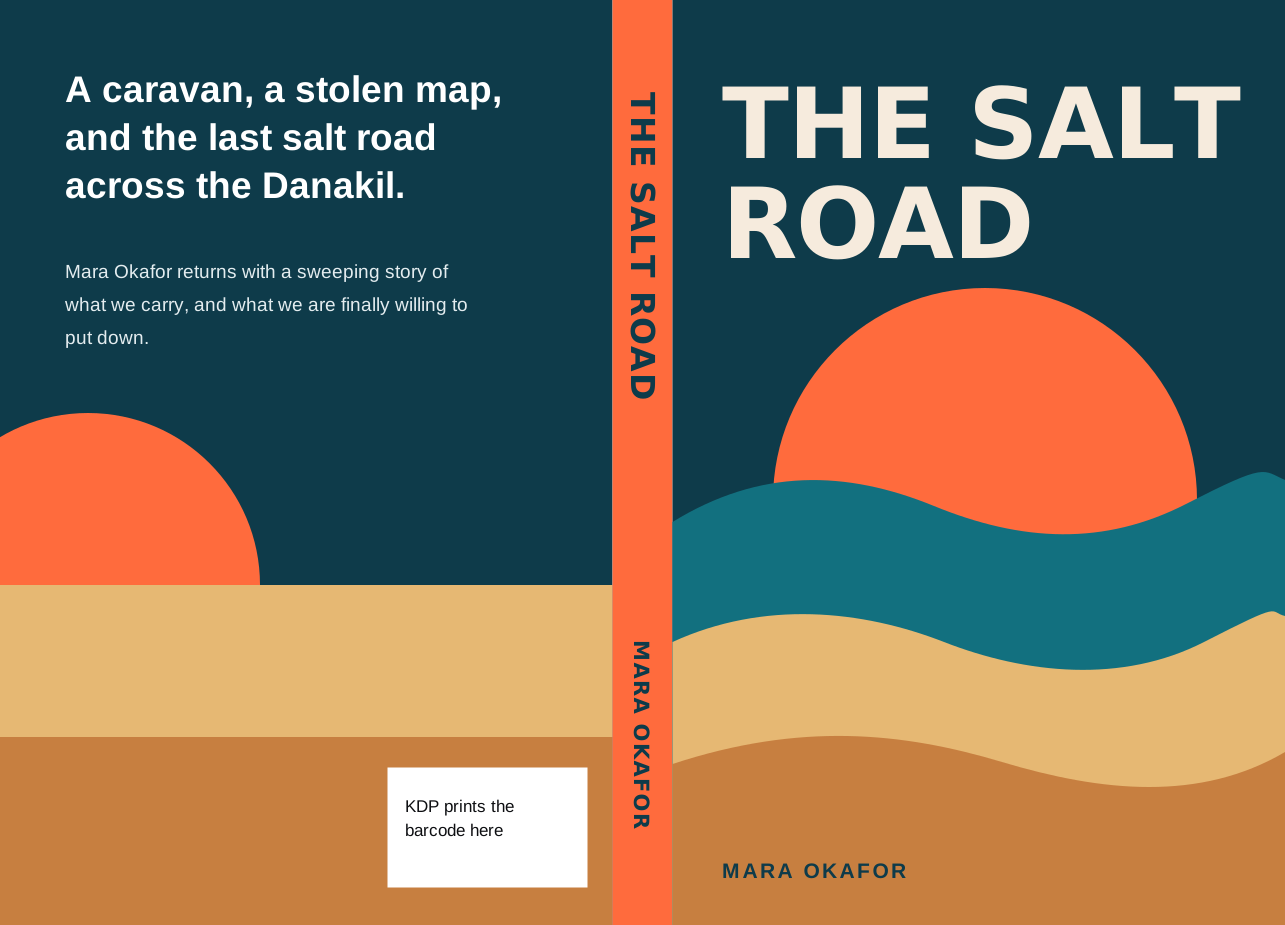
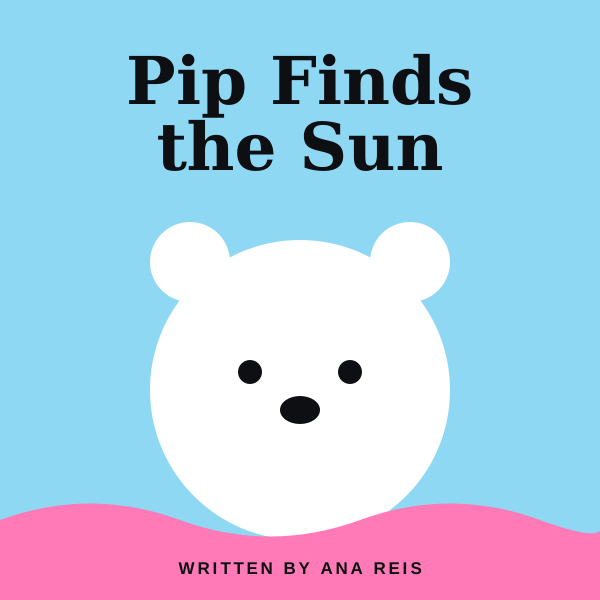
Blurry covers are almost always one of five solvable problems. This guide walks through the diagnosis flow, fixes them in order of likelihood, and shows the exact export settings that survive KDP's print pipeline.
Every KDP cover specification that matters, in one runnable checklist. Bleed, safe zone, spine formula, DPI, CMYK profile, PDF/X-1a, file size, font embedding, barcode zone, and the 15-step pre-flight that catches problems before upload.
A series only earns read-through when readers can spot Book 2 in a half-second scroll. Here are the four cohesion patterns that work, with the shelf test and thumbnail strip test that prove a set hangs together.
A hands-on playbook for converting reverse-ASIN data into 7 production-ready KDP backend slots, then recycling the leftovers into a profitable Amazon Ads launch list. Includes scoring rubric, dedupe rules, and a working example.
Your 7 backend keyword fields can make or break your book's discoverability. Learn the exact strategies to optimize every character for maximum Amazon visibility.
Self-help covers obey a tight visual grammar: huge title, equally weighted author name, one icon, one palette. Get the grammar wrong and the cover reads as cheesy. Get it right and the cover reads as authority.
Most KDP authors waste 6 of their 7 keyword slots stuffing single words. This guide replaces that with a 5-stage research system, a scoring rubric, and a worksheet you can copy. Long-tail first, scored by relevance, density, and intent.
Thriller covers live or die at thumbnail size. Silhouettes, the red-black-charcoal palette, heavy typography, and a single anchor of menace. This is the working playbook with six described covers and the sub-genre rules behind them.
Romance is the most visually literate genre on Amazon. Readers decode subgenre, heat level, and tone in under a second. This guide breaks down the exact conventions that make covers convert in 2026.