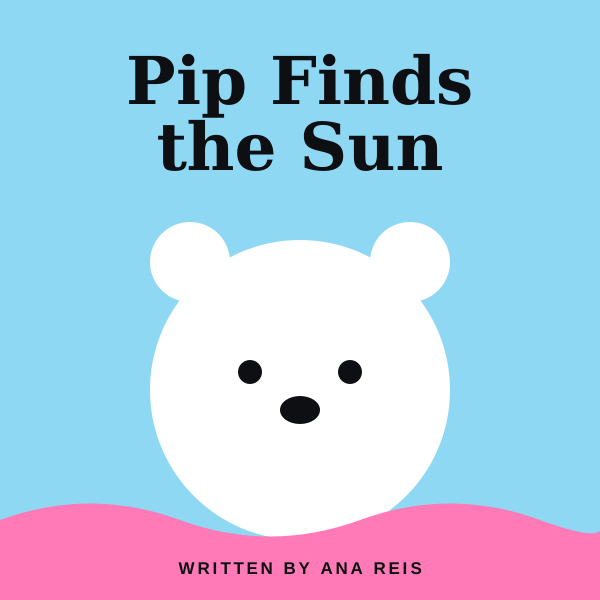
Preschool workbooks are the highest-volume kids non-fiction category on KDP. Single-task pages, mostly B&W with selective color, mascot-led covers, and clean age-3-to-5 progression separate the books that earn from the ones that bounce. Full playbook below.
Handwriting practice books are one of the most underrated evergreen niches on KDP. Age-band targeting, correct line conventions, and parent-trustable covers separate titles that barely sell from titles that sell every school year. Here is the full 2026 playbook.
Seasonal books are not evergreen. They live or die in an 8-week window. Launch 10-12 weeks early, build a series around each holiday rather than each season, and accept that most of a year's sales happen in a few weeks per holiday.
Toddler busy books look simple. They are not. Single-task pages, chunky line weights, parent-trustable covers, and a hard truth nobody admits: at this age the book will be destroyed inside six months, so price for replacement.
Generic "kids activity book" is a knife fight. Themed books, narrowed to a single obsession (dinosaurs, space, princess, construction) and a single age band, are the only structural advantage a small publisher can buy with effort instead of money.
Homesteading is one of the few non-fiction niches where authenticity, photography and a tight sub-niche still beat sheer volume. Here is how to build a series that earns for a decade.
Journals are the most resilient long-tail category on KDP. This 2026 guide is the full spec stack: low-content rules, interior layouts, page-count economics, pricing tiers, niche selection, and the launch sequence that compounds revenue.
Meal prep is one of the few cookbook sub-niches where indie publishers still consistently beat traditional cookbook publishers. This is the working playbook: sub-niche selection, recipe count, color vs black and white print economics, pricing at the $14.99 to $19.99 sweet spot, cover conventions, series strategy by season or diet, and the AMS keyword strategy that actually works for cookbooks.
DIY is a high-trust, premium-priced KDP niche where one strong project guide can keep selling for years. The 2026 catch: AMS competition density now decides which sub-niches are still rankable. Here is the operator playbook.
Fitness and health is a top three evergreen KDP niche. The catch in 2026: credibility expectations have hardened, and the journal companion strategy quietly outperforms standalone program books. Here is the operator playbook.
A working production guide for Leonardo AI as a KDP interior engine. When to reach for Kino XL versus Phoenix, how to lock character consistency with Elements, what the subscription tiers actually buy you, and the exact prompts behind coloring books, puzzle art, and picture book pages that ship.
Self-help is one of the largest indie nonfiction categories on KDP and one of the most competitive. This is the working playbook: which sub-niches still have room, how to build authority without credentials, the cover conventions buyers actually respond to, the pricing logic, the series strategy, and the funnel that turns a $9.99 book into a real business.
Cookbooks are the most consistently profitable nonfiction category on Amazon. The catch in 2026: color printing math, photo decisions, and recipe-count tiers decide your margin before a single sale. Here is the operator playbook.
Nonfiction is a different sport from fiction on KDP. The cycles are longer, the BSR ramp is slower, and KU pays less, but a single well-positioned book can quietly compound for years. This is the full playbook: niches, title formulas, cover conventions, page-count economics, front and back matter, ads, and authority.
The working craft of writing picture book stories that hold up to fifty rereads, fit a 32-page binding, and survive the acquisition desk. Age band conventions, word counts that match the read-aloud cadence, illustration-to-text ratio, page-turn beats, and the rejection causes editors do not publicize.
The #1 barrier to publishing picture books on KDP? Quality illustrations. This comprehensive guide compares every illustration method—AI tools ($10-$60), freelance artists ($300-$2,000), templates ($0-$50), and DIY approaches—with real examples, costs, and quality ratings.
Picture books can earn well for a single title, because families buy them again and again. The barrier? Quality illustrations. This guide shows you three proven methods to create professional picture books without artistic talent.
Drawing instruction books are one of the easiest KDP niches for beginners—they require no artistic talent when done correctly. Learn how to create these consistently profitable books.
Kids activity books sell well on KDP when done right. Parents buy them again as children grow, series buyers are common, and gift market opportunities abound year-round.
· 15 min read
A helpful companion at every chapter.
Cover design, book creation, and the business of publishing. Make your next move with a little more confidence.